Opens in a new tab

Flightbeam Studios working on three major US airports for MSFS: San Francisco, Phoenix, and Minneapolis–Saint Paul

The New Zealand tour is over and Flightbeam is now turning to the United States.
by William Lee
Make us a preferred news source See more from MSFS Addons on Google
Flightbeam Studios working on three major US airports for MSFS: San Francisco, Phoenix, and Minneapolis–Saint Paul

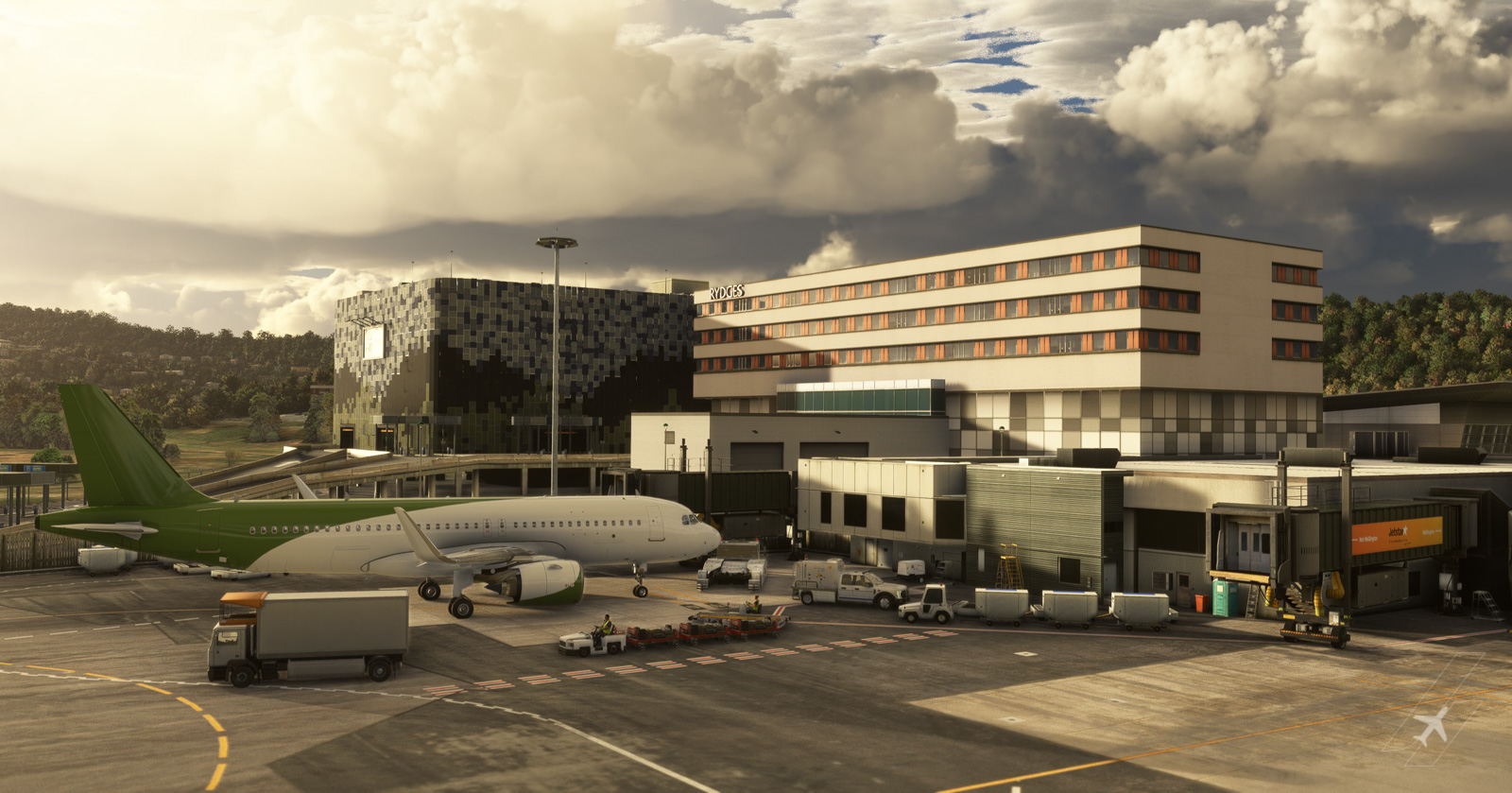
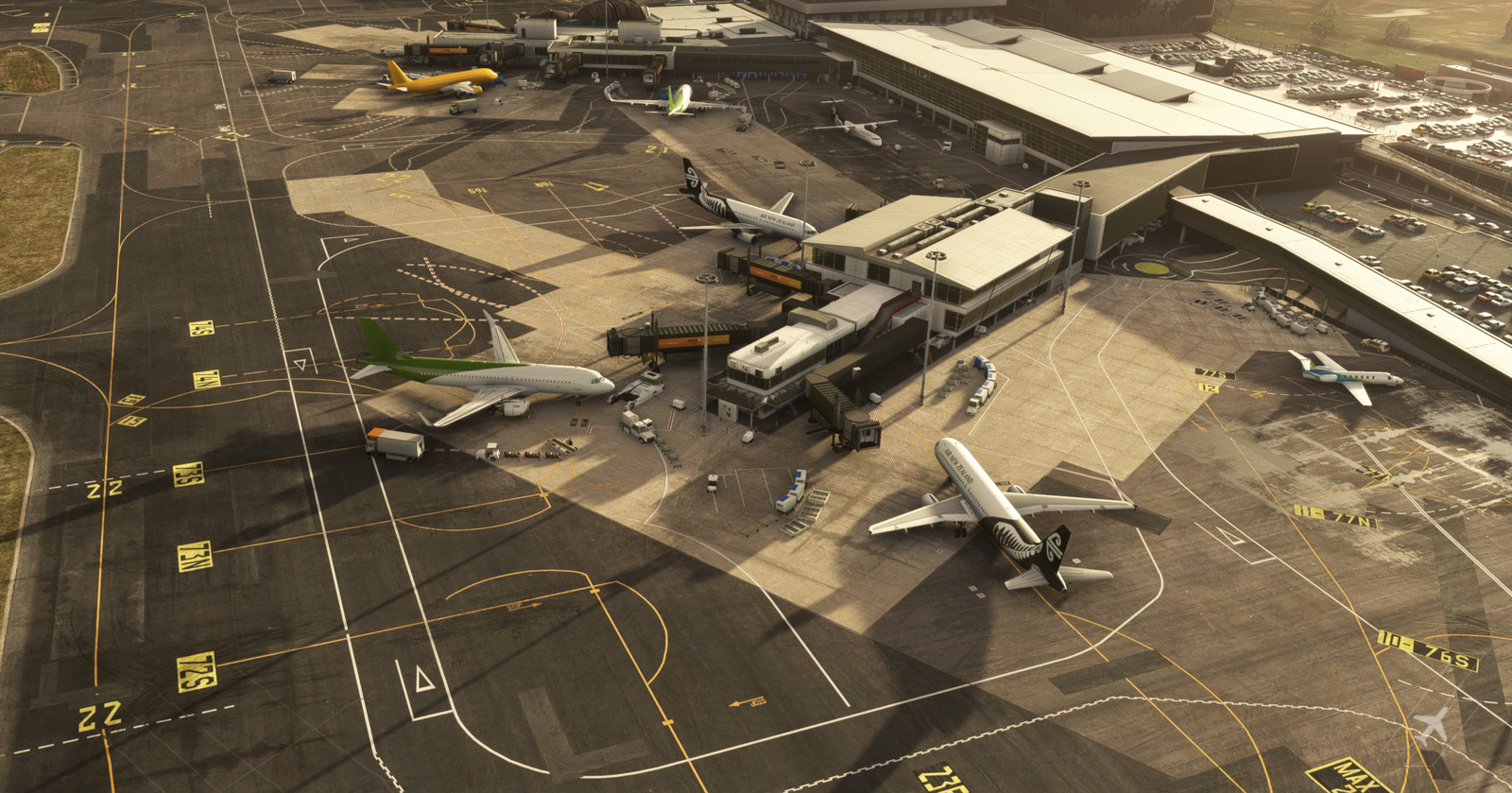
Flightbeam Studios recently ended its journey to New Zealand with the launch of NZWN Wellington Airport for MSFS, a very impressively detailed and high-quality rendition of one of the main airports in the country. Before that, Flightbeam offered us an equally outstanding virtual version of Auckland Airport (NZAA), thus providing airliner simmers in New Zealand with two high-level airports.

Now, the developer is going back to the United States to focus on major airports in this country going forward. These will follow on other existing locations that have already been released for MSFS, such as Portland, Denver, and Teterboro airports.

Mir from Flightbeam revealed that he’s currently working on four new products, with three of them already disclosed: KMSP, KSFO, and KPHX. These are Minneapolis-Saint Paul, San Francisco, and Phoenix International Airports, respectively. The fourth one is unknown at this time, but it should also be a major facility in the United States.
flightbeam nzwn wellington msfs preview 37

flightbeam nzwn wellington msfs preview 32

flightbeam nzwn wellington msfs preview 30

flightbeam nzwn wellington msfs preview 27

Wellington Airport, Flightbeam’s most recent release, is a truly outstanding piece of work.

Flightbeam is likely trying to capitalize on the recent launch of some high-level airliners, which usually bring increased attention to high-quality airports as simmers try to match a realistic and immersive flying experience to the very beginning and ending of each journey. The United States is one of the busiest aviation markets in the world, and now that the Boeing 737 and Airbus A320 are out in great fashion for MSFS, American pilots of these jetliners are surely looking for some nicely detailed airports to go along with them. A smart business decision from Flightbeam!

So, there you have it. KMSP, KSFO, and KPHX are coming from Flightbeam Studios, albeit not necessarily in this order. The secret now is in that fourth airport… what could it be? Let us know your best guess in the comments below!


About the author

William Lee

A part-time photographer and wannabe pilot with a keen passion for Microsoft Flight Simulator and all things aviation.
Advertisements
Aerosoft-Hoplite-Sale
Captain’s Club · Live deals
742 MSFS add-ons on sale right now
Averaging 28% off, with deals up to 75% off.
  • 55% off Aircraft Maule M7-235
  • 60% off Airport SECU-mariscal-la-mar-2023
Plus 740 more deals, refreshed daily. The full live list is a Captain's Club perk.
See what’s on sale →
Captain's Club from $3.33/month. One good deal usually covers it.
Pimax Price Protection
Make us a preferred news source See more from MSFS Addons on Google

FURTHER READING

Bob Dispatcher’s MSFS add-on manager returns with a major round of updates
MSFS 2024, Utilities

Bob Dispatcher’s MSFS add-on manager returns with a major round of updates

Content Sets, flight plan file import and alternate airport scenery are among the changes since the tool launched in June.
Lunar AeroLabs pulls back the curtain on the LAGF800’s FMS, weeks after signing with Navigraph
Aircraft, MSFS 2024

Lunar AeroLabs pulls back the curtain on the LAGF800’s FMS, weeks after signing with Navigraph

New screenshots go deep into flight planning, synoptics and landing data, capping a busy stretch that brought an official SimBrief profile, a long alpha changelog and the first ramp vehicles.
Miltech’s U-2 spy plane lands in MSFS 2024 on Friday the 13th
Aircraft, MSFS 2024

Miltech’s U-2 spy plane lands in MSFS 2024 on Friday the 13th

The first trailer confirms the teaser date, along with seven missions, three air bases and a free update that adds the U-2R and NASA's ER-2.